Biohacking: Innovation, Autonomy, and the Ethics of Self-Experimentation
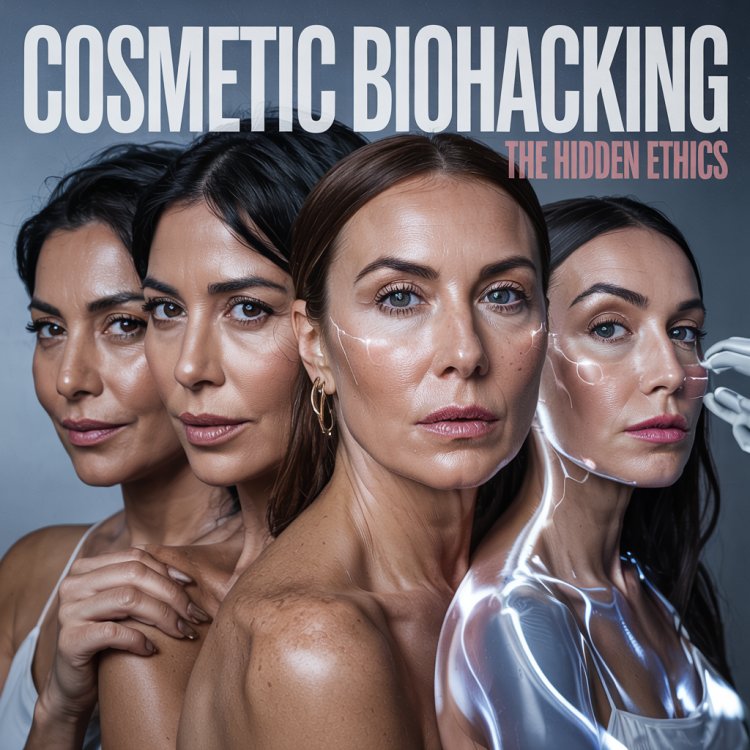
Biohacking: Innovation, Autonomy, and the Ethics of Self-Experimentation
Biohacking is a broad term that describes efforts to improve or optimize the human body and mind using science, technology, and self-experimentation. At its simplest, biohacking can mean adjusting sleep cycles, changing diet, or tracking health data with wearable devices. At its most advanced, it can involve gene editing, implanted microchips, or experimental therapies. What unites these practices is the idea that individuals can take a more active role in shaping their own biology.
Some forms of biohacking are already mainstream. Wearable devices like the Apple Watch or Fitbit track heart rate, sleep, and activity levels. People experiment with intermittent fasting, cold exposure, or nootropic supplements to boost cognitive performance. Others monitor glucose levels continuously—even without diabetes—to optimize diet and energy.
More controversial biohacking pushes further. CRISPR gene-editing technology, pioneered in part by scientists such as Jennifer Doudna, allows for precise modifications to DNA. In 2018, He Jiankui announced the birth of gene-edited babies, triggering global ethical condemnation. Meanwhile, companies like Neuralink are developing brain-computer interfaces that may one day enhance cognition or treat neurological disease.
Why Biohacking Appeals to People
Biohacking reflects a cultural shift toward personalization and empowerment. Many people feel traditional healthcare is reactive—focused on treating disease rather than optimizing health. Biohacking promises proactive control. It also aligns with broader technological trends: data tracking, artificial intelligence, and do-it-yourself innovation.
For some, biohacking is about longevity—extending lifespan and healthspan. For others, it’s about peak performance, creativity, or resilience. The movement often blends Silicon Valley innovation culture with wellness philosophy.
The Ethical Questions
While self-improvement is not new, biohacking raises important ethical concerns:
1. Safety and Oversight
Medical research traditionally requires ethical review, informed consent, and safety monitoring. DIY gene editing or unregulated supplements may bypass these safeguards, increasing risks of harm.
2. Inequality and Access
Advanced enhancements—such as genetic modifications or neural implants—may be expensive. If only wealthy individuals can access them, society could see a widening gap between the “enhanced” and the “unenhanced.”
3. Informed Consent and Autonomy
Adults experimenting on themselves exercise personal autonomy. But what about embryos or children, who cannot consent? The controversy surrounding germline gene editing highlights this concern.
4. Human Identity and Dignity
At what point does enhancement alter what it means to be human? Philosophers debate whether radical biohacking could undermine shared human vulnerability, which underpins concepts like equality and dignity.
5. Data Privacy
Wearables and biometric devices collect intimate biological data. Who owns that information? How securely is it stored? As biohacking becomes more data-driven, privacy concerns grow.
A Balanced Perspective
Biohacking is not inherently reckless or unethical. Many advances in medicine began with bold experimentation. Vaccines, organ transplants, and IVF once sparked fear. Responsible innovation requires balancing curiosity with caution, and autonomy with social responsibility.
Ethical biohacking should include transparency, evidence-based methods, equitable access, and respect for human rights. Public dialogue—across science, law, and philosophy—is essential to ensure technological progress aligns with shared values.
Ultimately, biohacking forces us to confront a profound question: Just because we can change our biology, should we? The answer lies not only in what is scientifically possible, but in what kind of society we want to build.
Suggested Reading and References:
For accessible overviews, see Wired and MIT Technology Review coverage of CRISPR and biohacking culture. Academic discussions can be found in journals such as The American Journal of Bioethics and Nature Biotechnology. For foundational ethical frameworks, consult Principles of Biomedical Ethics by Tom L. Beauchamp and James F. Childress. On gene editing ethics specifically, see writings by Jennifer Doudna, including A Crack in Creation. The World Health Organization has also published reports on human genome editing governance.